

Last Updated: April 30, 2026
These doll and stuffed animal friends often spend a good amount of time beside our young ones, so we want to ensure the cuddly plush toy is also safe for kids.
In a world brimming with choices, it’s easy to grab the cutest, softest plushie off the shelf without a second thought. Yet, a growing number of parents are pausing, asking critical questions about materials, dyes, and production practices. Why? Because conventional stuffed animals, while adorable, can sometimes harbor a hidden world of synthetic fabrics, toxic dyes, and chemical treatments that we’d rather keep far away from our children’s delicate systems. From flame retardants to phthalates in plastic eyes, the potential for exposure to harmful substances is a real and often overlooked concern.
That’s where this guide comes in. You’re not just looking for a list of non-toxic stuffed animals; you’re looking for empowerment. You want to understand why certain choices are better, what to look for beyond just a pretty face, and how to confidently select a truly safe, natural, and ethically made companion for your child. We’ve done the deep dive, sifted through certifications, scrutinized materials, and consulted parent communities to bring you a truly curated resource. Our goal isn’t just to tell you what to buy, but to equip you with the knowledge to make informed decisions for years to come.
Affiliate Link Disclosure – If you see a product you like and click through to buy it, I would genuinely appreciate it. I may earn a small commission — at no extra cost to you. It would mean a lot, thanks!
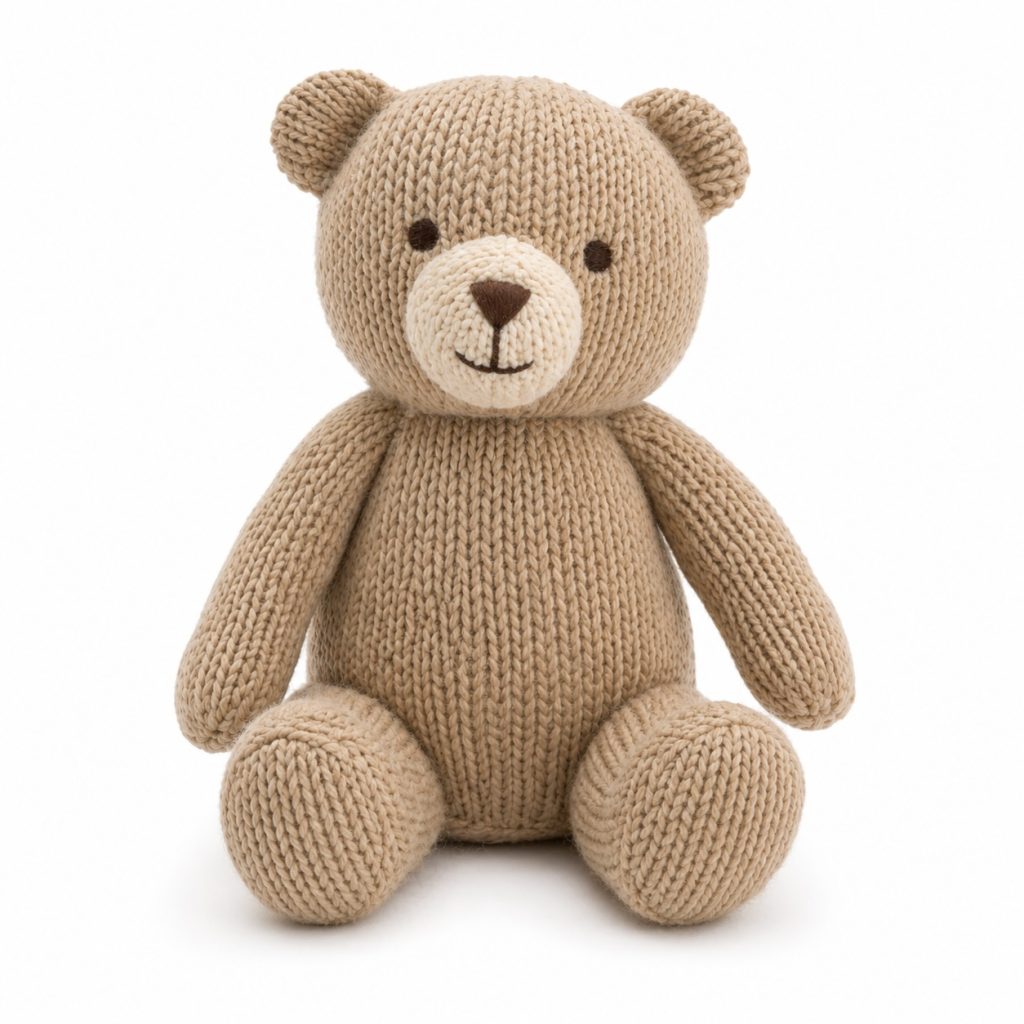
Top Recommended Non-Toxic Stuffed Animal Brands
Finding truly non-toxic stuffed animals requires a bit of detective work, but thankfully, a growing number of brands are committed to safety and sustainability. Here are our top picks, thoroughly vetted and celebrated for their dedication to natural materials and ethical practices.
(01) Under the Nile
When it comes to organic baby products, Under the Nile #ad is often at the top of the list, and for good reason. They specialize in 100% GOTS certified organic cotton toys and apparel. Their stuffed animals are not only incredibly soft but also filled with 100% organic cotton, meaning no polyester stuffing or synthetic fibers anywhere in sight. They use low-impact, fiber-reactive dyes, ensuring safety from every angle. Many parents on naturalbabymama.com rave about their durability and commitment to fair trade.
(02) Apple Park
Apple Park #ad delights with its playful designs and unwavering commitment to organic and eco-friendly materials. Their “Farm Buddies” collection, for instance, is crafted from 100% organic cotton fabric and filled with a hypoallergenic corn fiber. This innovative filling is a fantastic alternative to traditional polyester, offering a natural and sustainable option. Their packaging is also made from recycled materials, cementing their holistic approach to environmental responsibility. They’re consistently highlighted in “best of” lists for safe baby toys.
(03) Wooly Organic
Hailing from Latvia, Wooly Organic truly lives up to its name. Their entire collection features GOTS certified organic cotton fabric and is filled with GOTS certified organic cotton. They offer a range of sweet and simple stuffed animals, many designed specifically for babies, with easy-to-grasp shapes and soothing textures. Their commitment to transparency and certification makes them a trustworthy choice for parents prioritizing pure materials.
(04) Finn + Emma
Known for their stylish organic baby clothing, Finn + Emma also offers a delightful collection of organic cotton rattles and plush toys. Their products are made from 100% GOTS certified organic cotton and often feature natural wood elements. While their stuffed animals might be smaller or have a rattle component, they uphold the same high standards of material purity and ethical production, making them excellent first companions for newborns.
(05) Hazel Village Dolls
While perhaps less widely known than some European giants, Hazel Village Dolls stands out for its commitment to natural materials and handcrafted quality. These dolls are often made from organic cotton and filled with pure wool, providing a truly natural alternative. Their small-batch, artisanal approach means attention to detail and a focus on safe, traditional toy-making methods. Often found in niche organic toy stores, they represent the heart of natural toy craftsmanship.
Other Notable Mentions & Considerations
While the brands above are consistently excellent, some others offer specific lines or unique approaches that deserve attention. Always double-check the specific product details for these brands, as their entire range may not be universally non-toxic.
Manhattan Toy (Specific Organic Lines)
Manhattan Toy is a popular and widely available brand, but it’s important to note that not all their products are non-toxic. However, they do offer specific “organic” lines, such as their “Organic Farm Collection,” which feature GOTS certified organic cotton and natural fillings. When considering Manhattan Toy, always look for explicit organic certifications on the specific product you’re interested in.
Cate & Levi (Reclaimed Wool)
For those interested in sustainability and unique, handcrafted items, Cate & Levi offers a fascinating approach. They create adorable stuffed animals primarily from reclaimed wool sweaters. While not certified organic, the repurposing aspect significantly reduces environmental impact. If your child doesn’t have wool sensitivities and you appreciate upcycled goods, these are a charming and eco-conscious option.
Tikiri (Organic Cotton Options)
Tikiri is primarily known for its natural rubber teethers and bath toys, but they also offer a range of organic cotton stuffed animals. Like Manhattan Toy, it’s crucial to verify the materials for each specific plush item. Look for their “organic” collections, which are typically made from GOTS certified organic cotton.
Comprehensive Guide: What to Look For When Choosing Safe & Natural Stuffed Animals
Now, for the core of empowerment: understanding the criteria yourself. Armed with this knowledge, you won’t need to rely solely on brand names; you’ll be able to critically evaluate any stuffed animal you encounter.
Certifications: Your Green Light Indicators
- GOTS Certified Organic Cotton (Global Organic Textile Standard): This is the gold standard for textiles. GOTS certification ensures that the cotton is grown without toxic pesticides or synthetic fertilizers, and that the entire manufacturing process – from harvesting to dyeing and finishing – meets strict environmental and social criteria. If a stuffed animal is GOTS certified, you can be confident about the purity of its cotton and the sustainability of its production.
- OEKO-TEX Standard 100: This certification tests for harmful substances in textiles across all stages of production. While it doesn’t certify organic farming practices, it does ensure that the final product is free from a wide range of harmful chemicals, including heavy metals, dyes, and formaldehydes. It’s a strong indicator of chemical safety.
Filling Materials: Beyond the Fluff
The stuffing inside is just as important as the outer fabric, as it’s often the densest part of the toy.
- Organic Cotton: A fantastic, breathable, and natural choice. Look for “100% organic cotton filling” to ensure it’s not just an organic cotton shell with a synthetic interior.
- Pure New / Organic Wool: Wool is naturally flame-resistant (avoiding the need for chemical flame retardants), hypoallergenic, dust mite resistant, and great for temperature regulation. Make sure it’s “pure new wool” or “organic wool” to ensure it’s not recycled or treated with harsh chemicals.
- Corn Fiber: An innovative and sustainable alternative, particularly for allergy sufferers. It’s plant-based, biodegradable, and offers a soft, supportive fill.
- AVOID Polyester (PET): This is a synthetic, petroleum-based plastic fiber. While widely used and often labeled “hypoallergenic,” it’s not a natural material and can off-gas volatile organic compounds (VOCs). It’s best avoided in toys that will be in close contact with a child.
Dyes: The Color of Safety
- Natural, Plant-Based, Non-Toxic Dyes: Look for descriptions like “natural dyes,” “plant dyes,” “low-impact fiber-reactive dyes,” or explicit statements that dyes are “non-toxic” and free from heavy metals or azo compounds. These ensure that the vibrant colors aren’t leaching harmful chemicals.
- AVOID Synthetic Dyes (unless OEKO-TEX certified): Many conventional dyes contain heavy metals, phthalates, and other chemicals. If a toy isn’t explicitly stating natural or non-toxic dyes, and doesn’t have an OEKO-TEX certification, it’s safer to err on the side of caution.
Construction: Handmade, Ethical, and Transparent
- Handmade / Artisanal: Often, smaller, handcrafted brands have greater control over their materials and processes, leading to purer products.
- Ethical Production: Look for brands that are transparent about their supply chain and uphold fair labor practices. GOTS certification often includes social criteria, which is a bonus.
- Transparency: Brands that openly list all their materials, certifications, and production methods are showing confidence in their product and earn trust. If a brand is vague, it’s a red flag.
What to Definitely Avoid: The “No-Go” List
- Synthetic Fabrics (unless OEKO-TEX certified): Polyester fleece, acrylic, and other synthetics are derived from petroleum and can contain various chemical additives.
- PVC (Polyvinyl Chloride) / Vinyl: Often found in plastic elements like eyes or noses. PVC contains phthalates, known endocrine disruptors. Look for embroidered eyes or noses, or those made from natural, untreated wood.
- Phthalates: These plasticizers are often found in PVC and can disrupt hormones. Ensure toys are explicitly “phthalate-free.”
- Flame Retardants: Chemical flame retardants are concerning neurotoxins and carcinogens. Opt for naturally flame-resistant materials like wool or choose brands that explicitly state their products are free from these chemicals.
- BPA (Bisphenol A): While less common in plush toys, always ensure any plastic components are BPA-free.
Conclusion: Empowering Parents to Make Informed Choices
Choosing a stuffed animal for your child should be a joyous experience, not one clouded by worry. We understand the desire to simply pick the cutest option, but we also know the deep-seated need to provide a safe, healthy environment for our little ones. That’s why we created this guide – not just to hand you a list, but to empower you with knowledge that transforms uncertainty into confidence.
You now have the tools. You understand the certifications like GOTS and OEKO-TEX, recognizing them as powerful indicators of purity. You know the difference between safe, natural fillings like organic cotton and wool versus synthetic polyester. You can identify the red flags – the PVC eyes, the undisclosed dyes, the vague material descriptions – and consciously steer clear.
This isn’t just about buying a non-toxic stuffed animal; it’s about making a mindful choice. It’s about ensuring that the cherished companion your child holds close is as pure and natural as their own innocent embrace. So go forth, armed with this comprehensive insight, and choose with assurance. Your child’s safety, and your peace of mind, are worth every informed decision.


